Understanding the Evaluation
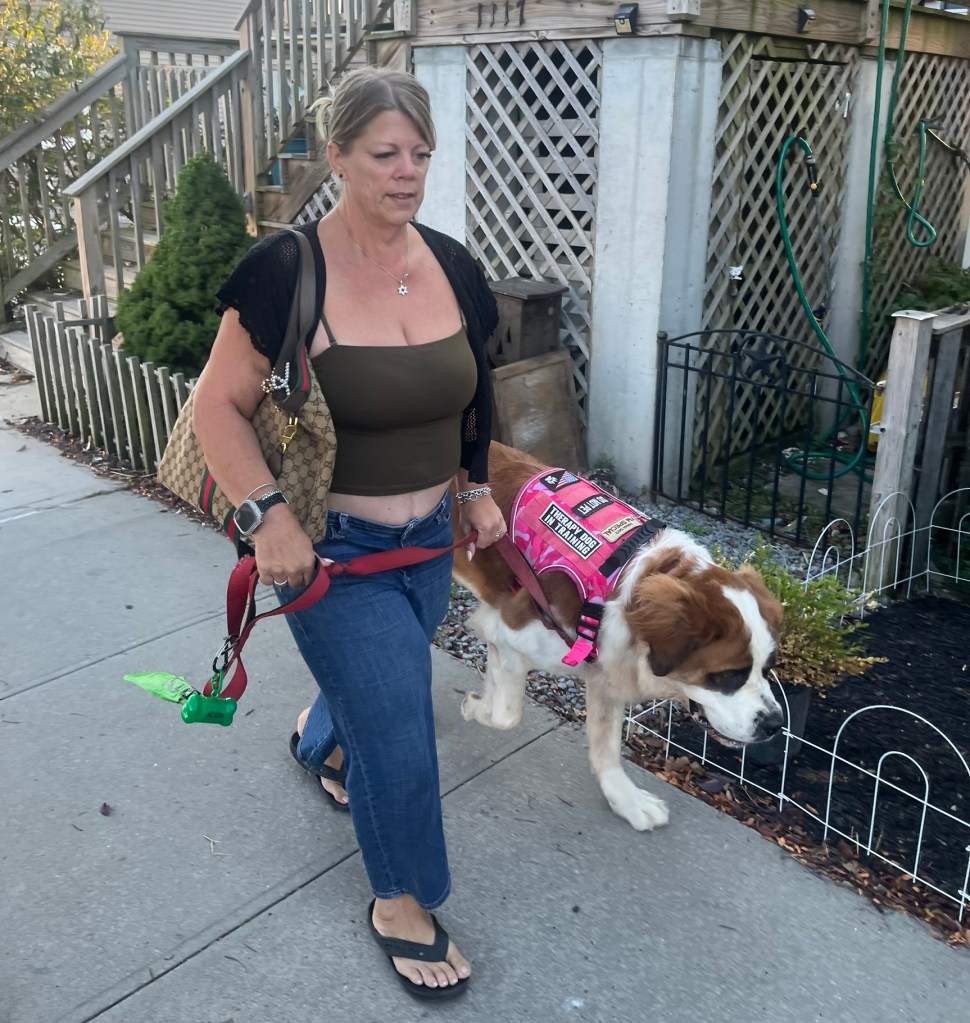
As Esther and I continue our Pet Partners handler course, Unit 4, The Team Evaluation, stands out as one of the most critical steps in our journey toward becoming a registered therapy team.
This module outlines how Pet Partners evaluates both the handler and the animal as a team, focusing not only on the animal’s temperament but also on how well the handler supports and advocates for them during various scenarios.
Real-Life Scenarios and Teamwork
The evaluation is designed to simulate real-life situations we might encounter during visits, whether in hospice, hospitals, schools, or community settings.
It’s a moment to demonstrate confidence, teamwork, and calm under pressure. Exercises include interactions such as:
- Clumsy petting
- Loud noises
- Sudden gestures
- Being crowded by multiple people
These moments test how both handler and animal respond together; something I’ve been practicing with Esther during her private training sessions.
Esther’s Gentle Strength
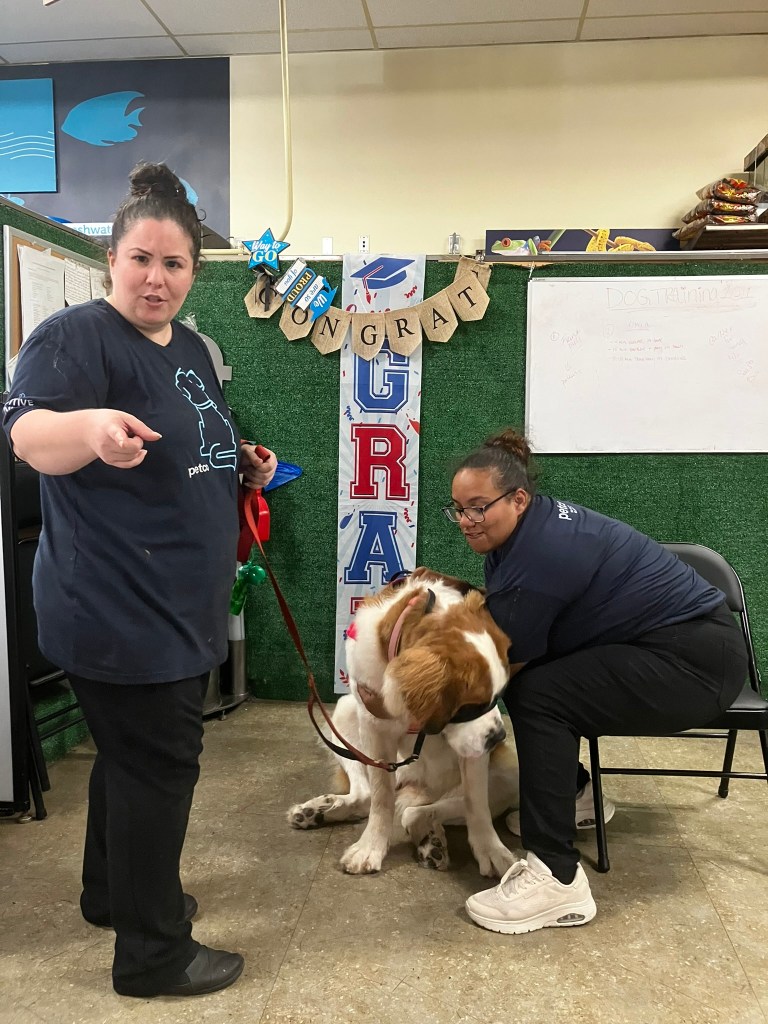
For Esther, who weighs 165 pounds, being calm and steady during unpredictable moments is essential.
One of the exercises, Staggering and Gesturing Individual, mimics someone who is unsteady or emotional approaching her. The goal is for her to stay relaxed and confident while I manage the situation with empathy and control.
Another scenario, Crowded and Petted by Several People, tests how well she can tolerate attention from multiple hands while I monitor her body language and help her stay comfortable.

Building Trust and Communication
What I love about the Pet Partners approach is that it doesn’t just evaluate the animal, it evaluates the relationship.
The assessment reflects the level of trust and communication between handler and animal. I’ve learned that proactive handling; anticipating Esther’s reactions and supporting her before she feels stressed, is key to our success.
The better I understand her signals, the more I can help her shine as the gentle giant she is.

Connection Over Perfection
Ultimately, the team evaluation isn’t about perfection; it’s about connection.
It’s a reminder that Esther and I are learning together, and that my calm, encouraging energy directly shapes her confidence in new environments. Whether we pass on the first try or need more practice, I see this process as another step toward sharing her love and comfort with others in hospice and end-of-life settings.
 Anna & Esther: A Pet Therapy Team in the Making
Leave a comment