
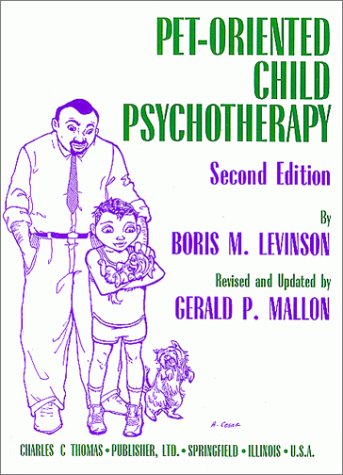
Animal-Assisted Interventions (AAI) have come a long way since Dr. Boris Levinson’s dog, Jingles, broke through a child’s silence in a therapy session. What began as one psychologist’s curiosity about the comfort animals bring has grown into a respected professional field built on science, ethics, and compassion.
In The State of Animal-Assisted Interventions, Dr. Aubrey Fine, Dr. Alan Beck, and Dr. Zenithson Ng (2019) describe how the field is moving away from simple “pet therapy” stories toward research-based practices that protect both people and animals. They believe AAI is undergoing a significant shift —one that blends heart and science and reminds us that genuine care must always be matched by integrity and responsibility.
From Compassion to Credibility
For a long time, animal-assisted therapy was seen as something merely heartwarming rather than clinically valid. Today, studies show measurable changes—lower cortisol and higher oxytocin levels —in both humans and animals after positive interactions. (Fine, Beck, & Ng, 2019). These findings confirm what many of us have always felt: that the simple act of connecting with an animal can help the body relax and the mind find peace.
Fine and his co-authors remind readers that passion alone is not enough. The field needs consistent research methods, shared definitions, and intense professional training if it’s going to be taken seriously in healthcare (Fine et al., 2019). AAI works best when it complements established care, whether that’s psychotherapy, occupational therapy, or hospice work, because true healing addresses the mind, body, and spirit together.
Centering Animal Welfare
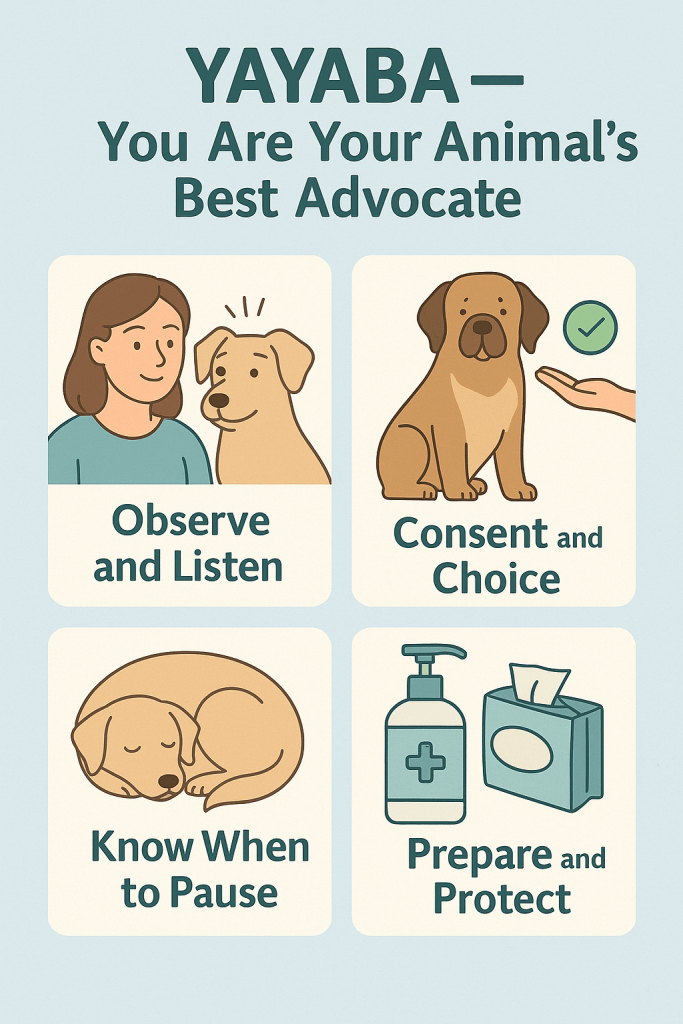
One of the most important messages in the article is the need to protect the well-being of the animals that make this work possible. As Pet Partners says, “YAYABA—You Are Your Animal’s Best Advocate (Ketter, 2019).” Every visit must safeguard the animal’s comfort and consent. That means paying attention to body language, offering breaks, and knowing when it’s time for a therapy partner to rest or retire.
The authors explain that animal welfare isn’t just a moral issue; it’s vital to the success of therapy. When animals feel safe and respected, the connection they offer becomes even more meaningful (Fine et al., 2019). Studies of canine stress hormones and behavior suggest that well-handled therapy animals experience little harm and may even benefit emotionally from human contact.
Professionalization and Policy
The growth of Animal-Assisted Interventions depends on having strong ethical standards and ongoing education for everyone involved. Groups such as the International Association of Human–Animal Interaction Organizations (IAHAIO)and Pet Partners have helped shape this effort by creating clear definitions and wellness guidelines that protect the animals who participate (Fine et al., 2019).
The authors also point out that research plays a key role in influencing policy. When studies demonstrate the positive impact of AAI, it helps expand opportunities for programs in hospitals, schools, and hospice settings to receive the recognition and support they deserve (Fine et al., 2019).
Looking Ahead
Fine, Beck, and Ng (2019) close by quoting Steve Jobs: “You cannot connect the dots looking forward; you can only connect them looking backwards.” The field’s growth—from Levinson and Jingles to today’s global research—shows how far AAI has come (Fine et al., 2019).
As someone training my Saint Bernard, Esther, to become a certified therapy dog, I found this article both grounding and inspiring. It reminds me why the long hours of preparation, certification, and continued education are worth it. Each visit we’ll make to a hospice or nursing home will be built on a foundation of trust, empathy, and evidence-based care.
The future of AAI isn’t just about helping people feel better. It’s about creating a shared space of wellbeing for both species 🐾 one gentle paw and one open heart at a time.
References:
Fine, A. H., Beck, A. M., & Ng, Z. (2019). The State of Animal-Assisted Interventions: Addressing the Contemporary Issues that will Shape the Future. International Journal of Environmental Research and Public Health, 16(20), 3997.
Ketter, K. (2019, July 15). Stories of YAYABATM in Action. Pet Partners. https://petpartners.org/stories-of-yayaba-in-action/
 Anna & Esther: A Pet Therapy Team in the Making
Leave a comment